Identifying Reversal Patterns in Forex Charts: A Comprehensive Guide
- 11/12/2025 05:14am
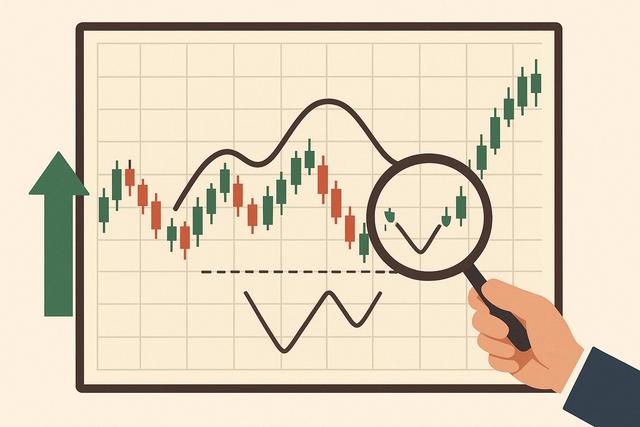
Forex trading is a complex venture, requiring traders to make informed decisions based on market data. One of the most critical skills in a trader's toolkit is the ability to identify reversal patterns in forex charts. These patterns signal that a prevailing trend is about to change direction, offering opportunities for potentially profitable trades. In this guide, we'll explore major forex reversal patterns, including the double top, head and shoulders, and more, to aid you in mastering the art of trend reversal identification.
Understanding Forex Reversal Patterns
Reversal patterns in forex charts are formations that indicate a change in the market trend. They are essential tools for traders to predict shifts in market dynamics. Proper identification can help traders enter or exit positions at optimal times, potentially leading to increased profitability.
Why Reversal Patterns Matter
Reversal patterns are signals that the current market trend is losing momentum and that a new, opposite trend is likely to begin. For traders, identifying these patterns means catching the beginning of a new trend, maximizing potential profits.
Types of Reversal Patterns
Double Top and Double Bottom
-
Double Top: Characterized by two peaks at around the same price level, this pattern suggests a bullish-to-bearish reversal. The pattern completes when the price breaks below the neckline drawn through the support level between the two peaks. Learn more about double tops from Investopedia.
-
Double Bottom: The opposite of the double top, it indicates a bearish-to-bullish reversal. It consists of two troughs at a similar level, with the pattern completing when the price breaks above the neckline. More details on double bottoms can be found here.
Head and Shoulders
- Head and Shoulders: This pattern comprises three peaks with the middle peak (the head) higher than the other two (shoulders). It indicates a potential bearish reversal when the price breaks below the "neckline" connecting the troughs between the peaks.
Inverse Head and Shoulders
- Inverse Head and Shoulders: A mirror image of the head and shoulders, this pattern predicts a bullish reversal, completing when the price breaks above the neckline.
Using Indicators to Confirm Patterns
Indicators can enhance the reliability of reversal patterns. Commonly used indicators include the Relative Strength Index (RSI), Moving Average Convergence Divergence (MACD), and volume. These tools help confirm the validity of the reversal patterns and can be explored through resources such as TradingView.
The Role of Volume
A significant volume often accompanies trend reversals, strengthening the pattern's reliability. For instance, a high volume during the break of the neckline in a head and shoulders pattern signals strong momentum confirming the reversal.
Case Studies and Examples
Euro/USD Double Top Example
An analysis of the EUR/USD currency pair in 2020 shows a classic double top formation, leading to a significant downtrend. By recognizing this pattern early, traders could have capitalized on the subsequent bearish reversal.
GBP/JPY Head and Shoulders Case
The GBP/JPY pair in 2018 presented a head and shoulders pattern, indicating a bearish reversal. The strong support from technical indicators such as MACD provided further confidence in the trade.
Conclusion and Actionable Insights
Mastering reversal patterns in forex trading is no small feat but is crucial for any serious trader. Recognizing patterns such as the double top, head and shoulders, and using complementary indicators like RSI and MACD can provide a robust trading strategy. Start by practicing on demo accounts found at reputable brokers like OANDA to hone your skills without financial risk. As with any trading strategy, patience and practice are vital.
Key takeaways include ensuring patterns are confirmed with indicators, understanding the importance of volume, and continuously developing your technical analysis skills.

