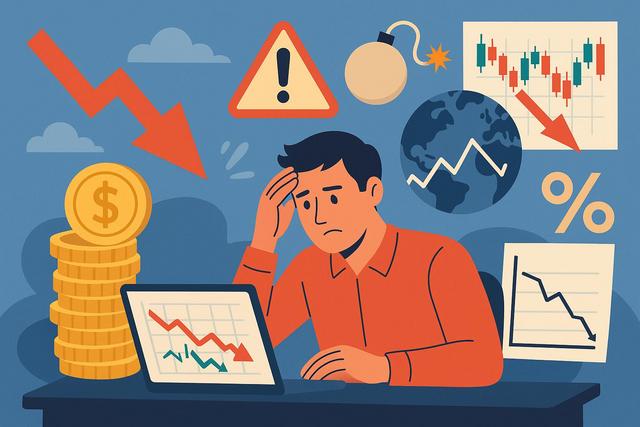
As we approach 2025, traders must be vigilant about emerging market risks that could dramatically impact investment decisions. Understanding these risks can empower traders to make informed choices and strategically navigate the ever-changing trading environment. This guide explores the most significant market risks anticipated in 2025 and offers actionable insights for mitigation.
Economic Uncertainty
The global economy is expected to undergo fluctuations in 2025, creating a landscape of uncertainty. This unpredictability is fueled by geopolitical tensions and shifting monetary policies.
- Geopolitical Tensions: Ongoing conflicts and diplomatic strains can impact market stability. For instance, the Russo-Ukrainian conflict has historically influenced global energy prices (source: Council on Foreign Relations).
- Monetary Policy Shifts: Central banks may adjust interest rates to curb inflation or stimulate economies, affecting currency and bond markets. Stay updated with tools like Federal Reserve’s Economic Data.
Technological Disruptions
Technological advancements are redefining trading landscapes. Automation and artificial intelligence (AI) pose both opportunities and challenges.
- Algorithmic Trading Risks: While algorithmic trading optimizes speed and efficiency, it also introduces systemic risks. Insights into these implications are well covered by MIT Technology Review.
- Cybersecurity Threats: With increased reliance on technology, the risk of cyberattacks grows. Keeping up with guidelines from National Institute of Standards and Technology can be essential for safeguarding digital infrastructure.
Environmental and Climate Risks
Climate change continues to shape economic landscapes, with weather patterns affecting commodities such as agricultural products and energy resources.
- Impact on Commodities: Unpredictable weather can lead to supply chain disruptions, impacting asset pricing. The World Economic Forum provides extensive analysis on these evolving risks.
Regulatory Changes
In 2025, regulatory bodies are anticipated to enforce stricter measures, which may restrict trading volumes and affect market liquidity.
- Increased Oversight: New regulations aimed at transparency and fairness could impact high-frequency trading and derivative markets. Regular updates from The Securities and Exchange Commission are crucial for traders.
Political Instability
Elections, policy shifts, and governance challenges in major economies might trigger volatility.
- Volatile Markets: Political events can have instantaneous impacts on currencies and equities. The Economist Intelligence Unit is a valuable resource for monitoring these scenarios.
Conclusion
In conclusion, traders must adapt to an evolving landscape filled with uncertainties in economic trends, technological changes, environmental factors, and regulatory environments. By staying informed and proactive, traders can effectively mitigate the risks outlined and turn potential pitfalls into opportunities.
Actionable Takeaways
- Diversify Investments: Spread investments across different asset classes to minimize risk.
- Leverage Technology Wisely: Use advanced analytical tools for real-time data analysis, while maintaining strong cybersecurity protocols.
- Stay Informed: Regular updates from authoritative financial resources can guide informed trading strategies.
Navigating these complexities requires vigilance and agility, allowing traders to not only survive but thrive in the face of market risks in 2025.

