Your Step-by-Step Guide to Buying Stocks Without a Broker Online
- 07/30/2026 05:36am
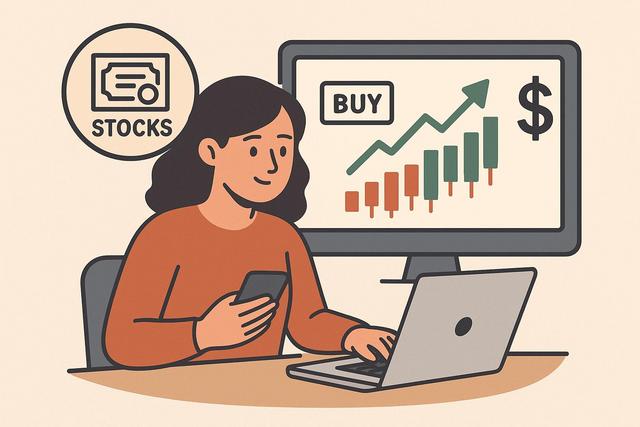
In the digital age, investing in stocks no longer requires the mediation of traditional brokers. With the advent of online platforms, individuals can manage their financial portfolios independently. This guide will walk you through the process of buying stocks without a broker online, offering strategic insights, practical recommendations, and potential pitfalls to avoid. Dive in to learn how you can start investing in stocks with greater autonomy.
Understanding Online Stock Trading Platforms
Online stock trading platforms have democratized access to the financial markets by removing the necessity of brokerage middlemen. Platforms like Robinhood, E*TRADE, and Acorns allow individual investors to buy and sell stocks with ease. Each platform has unique features, fees, and user experiences, so it's essential to select one that aligns with your investment goals.
Key Features to Consider
When selecting a trading platform, consider the following features:
- Transaction Fees: Ensure they align with your budget.
- Ease of Use: The platform should have a user-friendly interface.
- Research Tools: Access to comprehensive market research and analysis.
- Mobile Access: Allows you to trade from anywhere.
- Security Protocols: Ensure robust security measures are in place.
These factors can significantly impact your trading experience and overall costs.
Setting Up an Online Trading Account
The setup process for an online trading account can vary slightly among platforms, but the steps are generally consistent. Here’s a typical outline:
- Choose a Platform: Research and select a platform that meets your needs.
- Create an Account: Provide personal details and verify your identity.
- Fund Your Account: Connect a bank account to transfer funds.
- Research Stocks: Use platform tools to analyze potential investments.
- Place an Order: Decide the type of order you wish to place - market, limit, or stop.
- Monitor Performance: Regularly review your stock’s performance and market conditions.
Completion of these steps will have you ready to initiate your first stock purchase.
Types of Stock Orders
Understanding the variety of stock orders is vital. These dictate how and when your trades are executed.
Market Orders
These orders execute immediately at the current market price. They do not guarantee price but ensure execution.
Limit Orders
These are set to execute only at a specific price or better. Helpful if you have a precise price in mind for buying or selling.
Stop Orders
Stop orders become market orders once a particular price point is hit and are more useful for risk management.
Strategically choosing the order type can minimize losses and maximize gains.
Risks and Mistakes to Avoid
Investing independently involves risks. Here's how to mitigate some common pitfalls:
- Impulse Buying: Avoid making rash decisions based on market rumors.
- Over-Reliance on Tools: While research tools are valuable, they shouldn't replace thorough personal research.
- Ignoring Costs: Fees can accumulate, potentially affecting profitability. Choose low-cost platforms when possible.
- Neglecting Diversification: Diversify your portfolio to reduce risk exposure.
Being aware of these common errors will help in fostering long-term investment success.
Case Studies: Success Without Brokers
Let's consider a real-world example to illustrate the potential of online stock trading.
Case Study: Sarah's Strategic Investments
Sarah, a tech industry employee, utilized her knowledge to invest in emerging tech stocks via an online platform. By staying informed and using a mix of limit and market orders, she capitalized on stock price movements, achieving a 15% portfolio growth in her first year without a broker's assistance.
This exemplifies how strategic use of online trading platforms can yield substantial rewards.
Practical Recommendations
- Start Small: Begin with a modest investment to understand market dynamics.
- Continue Learning: Stay updated on market trends and news.
- Regularly Rebalance: Reassess and adjust your portfolio frequently.
- Engage in Community: Join forums or groups to exchange insights with fellow investors.
Following these recommendations will enhance your online trading experience.
Conclusion
Online platforms provide flexibility and control over your investments, empowering you to navigate the stock market without a broker. By choosing the right platform, understanding order types, and avoiding common pitfalls, you can take charge of your financial future. Start small, stay informed, and gradually build your portfolio. With these strategies, investing independently can be both rewarding and educational.
FAQ
Can I buy stocks without any fees online?
Yes, many platforms like Robinhood offer commission-free trading but always check for other hidden fees.
What’s the minimum amount to invest in stocks online?
Some platforms allow investments as low as $1, which can vary by platform and stock choice.
How do I know which stocks to buy?
Use the trading platform’s research tools, stay updated on financial news, and consider professional analysis.
Are online stocks riskier without a broker?
Without a broker’s guidance, you shoulder more decision-making responsibility, but with it comes a learning opportunity and direct control.
Can international stocks be purchased online?
Yes, several platforms support international stock markets; however, fees and accessibility may vary.

