How to Choose a Forex Broker Online: A Comprehensive Guide
- 08/02/2026 05:36am
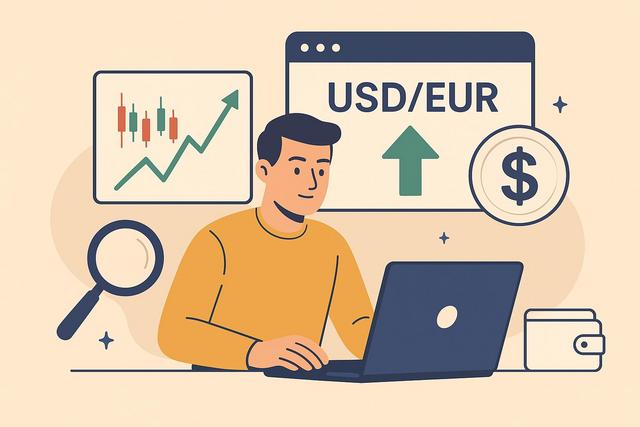
Navigating the forex market can be daunting, especially when selecting a forex broker online. This guide aims to simplify your decision-making process by detailing the key factors to consider when choosing the ideal forex trading partner, ensuring your investments are both safe and profitable.
Understanding the Forex Market Landscape
The forex market is a global marketplace for trading national currencies against one another. With an average daily trading volume of over $6 trillion, it is one of the largest financial markets in the world. Traders range from banks and financial institutions to individual retail traders aiming for profit from currency movements.
Types of Forex Brokers
Forex brokers can be categorized into two main types based on their operational model:
- Dealing Desk Brokers (Market Makers): These brokers create a market for traders and may have fixed spreads. They are often suitable for trading beginners.
- No Dealing Desk Brokers: These include STP (Straight Through Processing) and ECN (Electronic Communication Network) brokers, offering tighter spreads and direct market access, which is beneficial for experienced traders.
The choice between these depends on your trading strategy, experience, and preference for market types.
Criteria for Choosing the Right Forex Broker
Deciding on a forex broker involves evaluating several critical parameters that affect your trading success.
Regulatory Compliance and Safety
The first aspect to confirm is whether the broker is regulated by a reputable authority. Regulatory bodies such as the Financial Conduct Authority (FCA) or the Commodity Futures Trading Commission (CFTC) provide a level of safety for traders. Confirm the broker's registration on the respective regulatory body's website.
Trading Platform Usability
Choose a broker offering a user-friendly and reliable trading platform. The platform should have:
- Intuitive User Interface: For easy navigation.
- Comprehensive Tools: Indicators, charting tools, and analysis support.
- Accessibility: Availability on desktop and mobile devices is crucial for active traders.
Platforms like MetaTrader 4, MetaTrader 5, or proprietary platforms need evaluation based on your trading needs.
Range of Currency Pairs and Other Instruments
A wider selection of currency pairs offers more trading opportunities. Check if the broker provides major, minor, and exotic pairs. Some brokers also offer commodities, indices, and cryptocurrencies for diversified trading portfolios.
Transaction Costs and Fees
Trading involves costs such as spreads, commissions, and swap rates. Compare brokers to find one with competitive pricing. Often, ECN brokers have lower spreads but charge a commission per trade, while market makers might offer no commission but higher spreads.
Example Table: Comparative Broker Fees
| Broker | Type | Spread (pip) | Commission | Regulatory Body |
|---|---|---|---|---|
| Broker A | ECN | 0.3 | $7/lot | FCA |
| Broker B | MM | 1.5 | No | CySEC |
Customer Support and Service
Reliable customer service can significantly impact your trading experience. Look for brokers providing 24/7 support through various channels like chat, phone, or email. Improved service quality often correlates with the broker's reputation.
Assessing Account Types and Requirements
Consider account types offered. Standard, mini, and micro accounts accommodate different trading volumes and risks. Check for:
- Minimum Deposit: Accessibility for new traders.
- Leverage Options: Higher leverage offers potential larger profits but increases risk.
- Margin Requirements: Low minimums are beneficial for novice traders.
Real-world Example
A beginner might start with a micro account with a broker requiring a $100 minimum deposit, offering 1:100 leverage to practice without significant financial exposure.
Potential Mistakes and Misconceptions
Many traders make mistakes when choosing forex brokers:
- Overlooking Regulation: Some traders rush into trading without ensuring regulatory compliance.
- Ignoring Hidden Fees: Always read the fine print for fees that might eat into profits.
- Focusing Solely on Bonuses: While lucrative, bonuses should not overshadow fundamental broker qualities.
Frequently Asked Questions
What is the best forex broker for beginners?
The best broker for beginners typically offers educational resources, demo accounts, and user-friendly platforms.
Can I trust online forex brokers?
Trustworthy online forex brokers are regulated by reputable financial authorities, ensuring a level of protection.
How do I know if a forex broker is legitimate?
Verify the broker's regulatory status through official regulatory authority websites such as FCA or CFTC.
What role does customer support play in forex trading?
Effective customer support ensures issues or queries are resolved quickly, enhancing the trader's experience.
Is it important for a broker to offer a demo account?
Yes, demo accounts allow traders to practice strategies without risking real money, making them invaluable for learning.
Conclusion
Choosing the right forex broker online is critical to your success as a trader. Ensure the broker is regulated, offers a suitable platform, has low fees, provides comprehensive support, and suits your trading goals. Start with a demo account to refine your strategies before advancing to live trading. Prioritize safety, transparency, and your trading strategy when making this crucial decision.

