Forex Broker Red Flags: How to Spot a Bad One
- 04/01/2026 05:06am
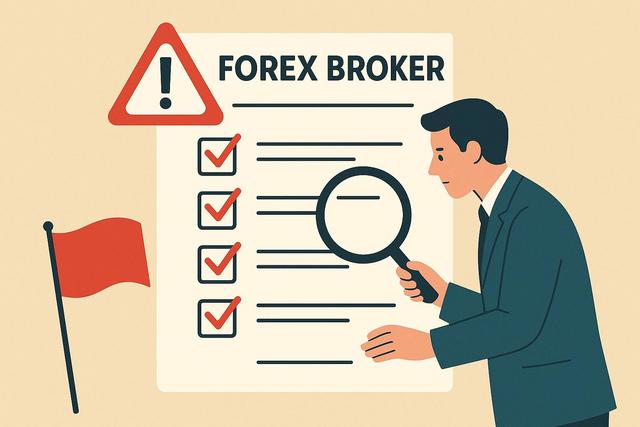
Navigating the world of forex trading is a complex endeavor filled with potential pitfalls, especially when it comes to selecting the right broker. The decision not only influences your trading success but also affects your financial security. This guide will dive deep into the major red flags associated with forex brokers, arming you with the knowledge to avoid shady brokers, poor execution, and hidden fees.
Understanding the Importance of Regulation
The regulation is a crucial factor in selecting a forex broker. A well-regulated broker follows strict guidelines to ensure transparency and protect investors.
Identifying Regulated Brokers
Regulated brokers are supervised by reputable financial authorities like the Financial Conduct Authority (FCA) in the UK or the U.S. Commodity Futures Trading Commission (CFTC). These organizations impose strict compliance measures to safeguard traders' interests.
Case in Point: In 2021, several unregulated brokers faced legal action from the CFTC for defrauding investors out of millions. Traders using these platforms suffered substantial losses.
Actionable Insight: Always verify a broker's regulatory status via official websites like the FCA Register to ensure compliance.
The Risks of Unregulated Brokers
Unregulated brokers often operate with minimal oversight, leading to shady practices such as price manipulation and unauthorized withdrawals.
Data Point: A study by the International Organization of Securities Commissions (IOSCO) revealed that nearly 90% of victims of forex scams were scammed through unregulated brokers.
Evaluating Execution Quality
Execution quality can significantly impact trading outcomes, affecting the spread, execution speed, and even slippage.
Importance of Execution Speed
Fast execution is critical in the forex market, where prices change rapidly. Slow execution can result in missed opportunities and increased slippage.
Example: Traders experienced severe slippage with Broker X during a major economic announcement, resulting in unexpected losses. This exposed the broker's inability to handle high-volume trades.
Strategic Insight: Test execution speed using demo accounts; reputable brokers like OANDA provide real-time execution simulations.
Assessing Spreads and Slippage
Spreads and slippage can significantly influence trading costs. Extremely low spreads might indicate a broker's lack of transparency or conflicts of interest.
Table Comparison:
| Broker | Typical Spread (EUR/USD) | Slippage Rate |
|---|---|---|
| Broker Y | 0.9 pips | 1.5% |
| Broker Z | 1.2 pips | <1.0% |
Actionable Tip: Regularly monitor your slippage rates and compare them to industry standards.
Transparency in Fees and Costs
Hidden fees can severely diminish profitability and erode trust.
Identifying Hidden Fees
Forex brokers may charge various fees that are not always transparent, such as overnight fees, deposit/withdrawal fees, and inactivity fees.
Real-World Example: Broker A advertised zero commissions but charged hefty withdrawal fees, surprising many clients after closing trades.
Actionable Insight: Always read the fee schedule provided on brokers' official websites before opening an account.
Comparing Fee Structures
A comprehensive comparison between fixed commissions and variable spreads can provide insight into your potential costs.
Comparison Table:
| Broker | Commission per Lot | Spread | Total Cost (per 1 Lot traded) |
|---|---|---|---|
| A | $0 | 0.8 | $8 |
| B | $2.5 | 0.5 | $7.5 |
Adequate Customer Support
Reliable customer service is essential for resolving issues quickly.
Importance of Accessible Support
Having support that is accessible 24/7 is crucial in a market that never sleeps.
Example: Traders with Broker Z reported extended downtime lasting hours, unable to reach customer service during critical trading periods.
Actionable Tip: Test customer support responsiveness via live chat or phone before committing.
Role of Multilingual Support
Forex trading is a global venture, and multilingual support can enhance user experience, especially for non-native speakers.
Data Point: Brokers offering support in multiple languages tend to score higher in customer satisfaction surveys.
Reviewing Customer Feedback and Reputation
Market reputation provides insights into a broker's reliability and performance.
Utilizing Independent Reviews
Sites like Trustpilot aggregate reviews and can be a reliable gauge of a broker's reputation.
Example: Broker Y maintained a 4.5-star rating, reflecting consistent customer satisfaction and efficient service.
Actionable Insight: Look for patterns in reviews. Frequent complaints about the same issues may indicate systemic problems.
Importance of Community Forums
Trading communities offer peer reviews and insights into the day-to-day operations of brokers.
Example: Forums like Forex Peace Army are beneficial for evaluating brokers' real-world performance.
Conclusion: Taking Informed Steps Forward
In summary, identifying a trustworthy forex broker involves scrutinizing regulation credentials, assessing execution quality, fees, and customer support, and verifying reputation. Here are actionable steps you can implement today:
- Verification: Check the broker's regulatory status against established authorities to ensure compliance.
- Testing: Use demo accounts for assessing execution speed and overall platform performance.
- Comparative Analysis: Create spreadsheets comparing fees and hidden costs across brokers.
- Due Diligence: Thoroughly read independent reviews and partake in online trading communities.
By following this strategic guide and checklist, you can avoid engaging with dubious brokers, thereby securing a more transparent and profitable forex trading experience.

