How to Stake Crypto for Passive Income: A Strategic Guide
- 08/20/2026 08:57am
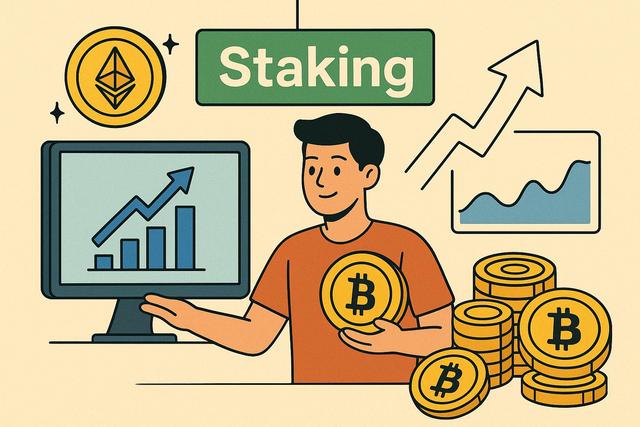
In the dynamic world of cryptocurrency, staking offers an intriguing avenue to earn passive income. With the right approach, crypto staking can deliver steady returns, while also supporting blockchain projects and networks. This guide provides a comprehensive roadmap to staking crypto effectively, ensuring you harness its full potential without stumbling into common pitfalls.
Understanding Crypto Staking: A Primer
Crypto staking involves locking up a portion of your cryptocurrency holdings in a digital wallet to participate in the operations of a blockchain network. In exchange for your contribution, you earn rewards, typically in the form of additional cryptocurrency. This not only generates passive income but also helps secure and strengthen the blockchain network.
How Staking Works
At its core, staking is possible because of Proof of Stake (PoS) consensus mechanisms. Unlike Proof of Work, which relies on computational power, PoS allows users to stake coins, thereby confirming transactions and creating new blocks. The more coins you stake, the higher your chances of becoming a validator and earning rewards.
Real-World Example
Consider Ethereum, which transitioned to a PoS consensus model with Ethereum 2.0. By staking a minimum of 32 ETH, users have the opportunity to become validators and contribute to the network's security while earning ETH rewards.
The Benefits of Staking Cryptocurrency
Staking provides multiple benefits that make it an attractive option for crypto investors:
- Predictable Income: Unlike trading, staking offers a more predictable return. The rewards are calculated based on the staking amount and duration.
- Network Support: Staking helps secure the network and validate transactions efficiently, contributing to the project's success.
- Enhanced Security: With more coins staked, the network becomes less susceptible to attacks and manipulations.
Steps to Start Staking Cryptocurrency
Staking requires several preparatory steps for successful implementation:
Choose the Right Cryptocurrency
Not all cryptocurrencies offer staking. Research coins with staking rewards, considering factors such as reward rate, market performance, and network reputation. Popular options include Ethereum, Cardano, and Polkadot.
Select a Staking Platform
Choose a reputable platform or exchange that supports staking. Binance and Kraken are among the prominent exchanges offering user-friendly staking services. Evaluate their fees, security measures, and user reviews before commitment.
Set Up a Digital Wallet
Secure a digital wallet that supports your chosen cryptocurrency. Hardware wallets, such as Ledger or Trezor, are recommended for enhanced security.
Delegate and Stake Your Coins
Once set up, delegate your coins to a validator or directly stake them on the platform. Ensure the platform is reputable and has a good track record.
Understanding Risks and Mitigations
While staking presents opportunities, be aware of risks involved:
- Price Volatility: Cryptocurrency values can fluctuate. Ensure that potential gains outweigh the risk of holding.
- Lock-Up Periods: Review the lock-up duration to ensure liquidity aligns with your financial plans.
- Validator Risk: Choose validators with robust security measures to minimize the risk of slashing, where funds are lost due to validator penalties.
Common Mistakes to Avoid
Avoid these pitfalls to enhance your staking journey:
Ignoring Research
Rushing into staking without adequate research can lead to selecting unreliable platforms or coins.
Overlooking Pool Fees
Fees can significantly impact your returns. Monitor and compare fees across platforms before staking.
Neglecting Network Updates
Stay informed about network developments as changes can affect staking rewards or introduce additional risks.
Alternative Passive Income Strategies in Crypto
Besides staking, the crypto world offers other passive income avenues:
- Yield Farming: Earn rewards by providing liquidity to DeFi protocols.
- Crypto Lending: Lend your holdings on platforms like BlockFi to earn interest.
- Dividend-Earning Tokens: Invest in tokens that pay regular dividends to holders.
FAQs About Crypto Staking
Is staking crypto safe?
Staking can be safe if done on reputable platforms with good security practices. Always do your research before committing assets.
Can I unstake my coins anytime?
Unstaking policies vary. Some platforms allow instant withdrawal, while others may impose lock-up periods. Always check terms before staking.
How are staking rewards calculated?
Rewards depend on factors like your staked amount, the total network stake, and the protocol’s reward structure. Each network may have different calculations.
Conclusion: Strategic Path Forward
Crypto staking presents a viable path for passive income, aligning with modern investment strategies. By thoroughly understanding the landscape, carefully selecting coins and platforms, and remaining aware of risks, you can optimize your staking efforts. Consider integrating staking into a broader portfolio strategy to diversify and enhance returns. Stay informed, remain vigilant on market trends, and make calculated decisions to make the most of your crypto assets.

