Mastering High Volatility Trading: Strategies for Market Uncertainty
- 10/15/2025 09:06am
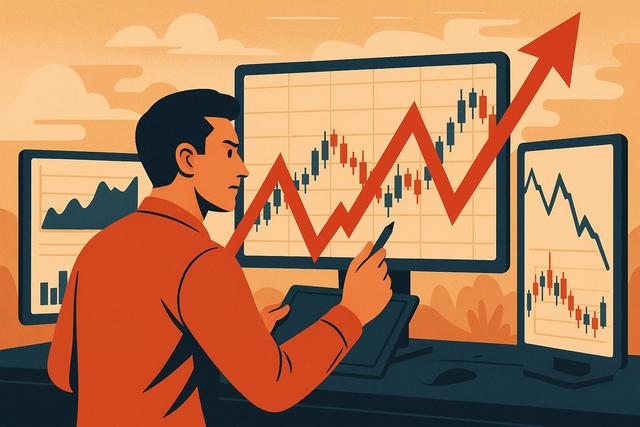
Navigating the financial waters during times of high volatility can be both challenging and rewarding. As we approach 2026, understanding how to trade effectively in these turbulent conditions becomes increasingly essential. This detailed guide will explore the best trading strategies for volatile markets, providing you with actionable insights to manage risks and capitalize on opportunities.
Understanding High Volatility
High volatility occurs when there is a high degree of variation in trading prices over a short period. Such conditions often arise from economic announcements, geopolitical events, or unexpected news. During these times, traders face both increased risk and the potential for greater reward.
Analyzing the Causes
Economic Announcements
Economic indicators, such as unemployment rates or GDP figures, can cause markets to swing unpredictably. Traders should stay informed by following reliable economic calendars like Forex Factory or Investing.com.
Geopolitical Events
Events such as elections, wars, and treaties significantly impact market volatility. Traders should monitor news platforms like BBC News or Reuters.
Market Sentiment
Social media and news headlines can exacerbate market reactions. Tools like Sentiment Tracker help traders gauge sentiment trends.
Trading Strategies for High Volatility
Risk Management
Proper risk management is crucial when trading volatile markets:
- Stop-Loss Orders: Implement stringent stop-loss orders to limit potential losses.
- Position Sizing: Adapt the size of positions relative to your risk tolerance and market conditions.
Technical Analysis
- Moving Averages: Use moving averages like SMA and EMA to identify trends.
- Bollinger Bands: Volatility is captured well through Bollinger Bands; traders can look for price movements outside the bands.
Fundamental Analysis
Evaluate companies and securities by analyzing financial statements, keeping an eye on earnings reports, and staying updated with sector-specific news.
Tools and Resources
Utilizing the right tools can significantly enhance trading performance:
- Trading Platforms: Opt for platforms like MetaTrader 4 or TradingView, which offer comprehensive analysis tools.
- Risk Management Tools: Leverage Riskalyze for personalized risk assessment.
Case Studies
The 2020 Market Crash
The market crash in March 2020 illustrated a classic high volatility period. By analyzing successful traders during this time, we learn:
- Many capitalized on short-term trades and adhered strictly to risk management practices.
- Diversification across asset classes helped mitigate risks.
Actionable Insights for 2026
As we look ahead, consider the following:
- Diversified Portfolio: Maintain a mix of assets to cushion against volatility.
- Stay Informed: Continuous learning and adaptation are crucial. Leverage online courses from Coursera on trading and finance.
- Psychological Preparedness: Develop a robust psychological mindset to handle rapid changes and decision-making under pressure.
Conclusion
High volatility can be daunting, but with the right strategies and tools, it can present lucrative opportunities. By understanding the causes, applying robust strategies, and continuously educating oneself, traders can navigate market uncertainty effectively.
Actionable Takeaways
- Implement strict risk management strategies.
- Utilize technical and fundamental analysis.
- Continuously adapt to market conditions through learning.
- Stay informed of global events influencing market dynamics.

