Risk-On vs Risk-Off: How Markets Flip Fast
- 01/16/2026 05:06am
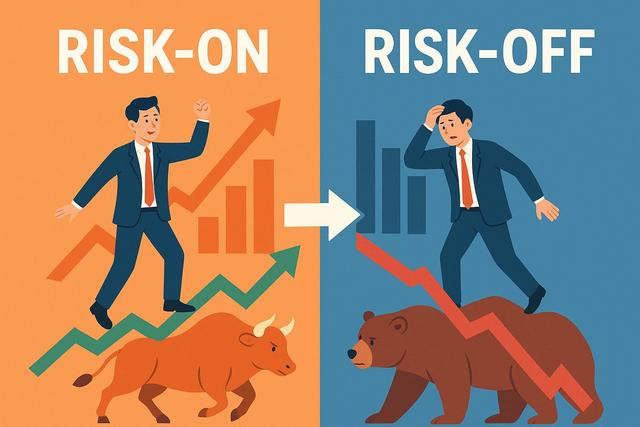
The financial markets are complex ecosystems driven by countless factors, with investor sentiment playing a crucial role. A fundamental concept in understanding market movements is the "risk-on, risk-off" paradigm. This approach refers to how investors shift their portfolios between riskier assets and safer ones in response to changing economic environments, geopolitical events, and investor sentiment. This article delves into the dynamics of risk-on and risk-off phases, their impact on various markets, and strategies for identifying and capitalizing on these shifts.
Understanding Risk-On vs. Risk-Off
What Is Risk-On?
"Risk-on" is a market environment where investors exhibit a higher appetite for risk. During these periods, economic indicators often show growth or recovery, leading to optimism in the financial markets. Investors are more inclined to invest in higher-yielding, riskier assets such as equities, commodities, and emerging market securities. The potential for higher returns entices investors to increase their exposure to these assets.
What Is Risk-Off?
Conversely, "risk-off" is a phase characterized by risk aversion. Triggered by uncertainty or negative economic indicators, investors seek safety, opting for more secure investments like government bonds, gold, and cash equivalents. These assets are considered safe havens that preserve capital during market downturns.
How Market Sentiment Shifts: Factors and Indicators
Economic Indicators
Economic factors, such as GDP growth, unemployment rates, and inflation figures, significantly impact market sentiment. Positive economic data typically leads to risk-on behavior, while negative indicators prompt a shift to risk-off.
Geopolitical Events
Geopolitical tensions, such as conflicts or trade wars, often lead to rapid market sentiment shifts. For instance, a sudden escalation in geopolitical risk can cause investors to pull money from riskier assets, triggering a risk-off shift.
Central Bank Policies
Monetary policies set by central banks, including interest rate changes and quantitative easing measures, influence risk sentiment. A dovish policy can stimulate a risk-on environment, while hawkish measures may induce risk-off behavior.
Impacts on Different Asset Classes
Equities
During risk-on periods, equities tend to perform well as they provide higher potential returns. Conversely, during risk-off phases, equity markets often see sell-offs as investors seek stable returns elsewhere.
Forex
Currencies also witness shifts in strength based on risk sentiment. During risk-on, investors favor higher-yielding currencies like the Australian dollar. In contrast, risk-off phases often drive demand for traditionally safer currencies, such as the Japanese yen or the US dollar.
Cryptocurrencies
As a relatively newer asset class, cryptocurrencies exhibit volatility. However, they are increasingly perceived as diversification tools during risk-on phases. In risk-off conditions, cryptocurrencies can experience heightened volatility, impacting investor confidence.
Tools and Strategies for Identifying Sentiment Shifts
Technical Indicators
Technical analysis tools such as the Relative Strength Index (RSI) and moving averages can offer insights into investor sentiment and potential market reversals. Tools like TradingView provide accessible platforms for chart analysis.
Sentiment Analysis
Sentiment analysis tools, including those offered by MarketPsych, track social media mentions and news sentiment, offering real-time insights into market perceptions.
News Feeds and Media
Staying updated with financial news from credible sources like Bloomberg is crucial. These platforms provide insights into market-moving news and expert analyses that can signal shifts in sentiment.
Case Studies: Historical Instances of Risk-On and Risk-Off
2008 Financial Crisis
The global financial crisis of 2008 is an exemplary instance of a prolonged risk-off period. Investors fled risky assets in favor of safe-havens like US Treasury bonds, evident by significant losses in global equity markets.
COVID-19 Pandemic
The onset of the COVID-19 pandemic in early 2020 initially triggered a severe risk-off response. However, following unprecedented monetary and fiscal interventions, a strong risk-on trend emerged, marked by soaring equity markets and increasing investments in cryptocurrencies.
Conclusion: Actionable Takeaways
To navigate the risk-on, risk-off dynamics effectively, investors need to:
- Monitor Economic Data: Stay informed on economic indicators and geopolitical developments that influence market sentiment.
- Utilize Analytical Tools: Employ technical and sentiment analysis to track trends and pivots in market behavior.
- Diversify Portfolio: Ensure a balanced portfolio to hedge against sudden shifts in sentiment, utilizing a mix of asset classes.
Understanding and leveraging the risk-on and risk-off cycles can empower investors to make informed decisions and enhance their investment strategies for long-term success.

