Trading Tools That Improve Decisions
- 05/11/2026 05:06am
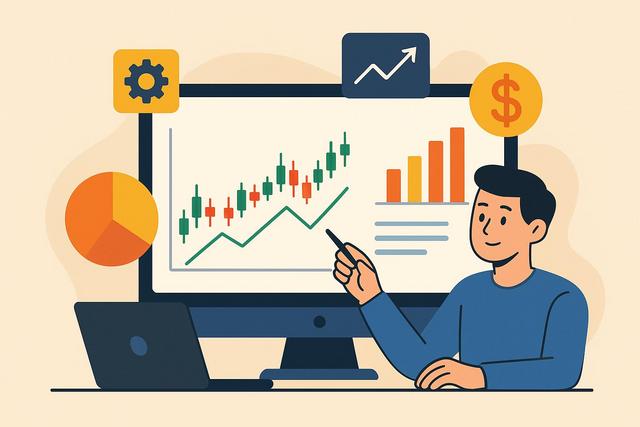
In the complex world of trading, making informed decisions is crucial. With the vast array of tools available today, traders can access insights and data that significantly enhance their decision-making processes. This article explores the various trading tools that can improve decision accuracy and strategic planning.
Understanding Modern Trading Tools
Modern trading tools come in many forms, including software, charts, and analysis platforms. These tools provide comprehensive datasets and analytical capabilities.
Varieties of Trading Software
Trading software can be categorized into several types, including automated trading systems, analytical platforms, and simulation tools.
- Automated Trading Systems: They facilitate algorithmic trading by executing transactions based on pre-set criteria without human intervention. According to a report by MarketsandMarkets, the automated trading market is projected to reach $18.8 billion by 2024.
- Analytical Platforms: These provide traders with technical and fundamental analysis tools, including TradingView and MetaTrader.
Role of Charting Tools
Charting tools, like those available on ThinkorSwim, provide visual representations of market data, aiding in the identification of trends and patterns.
- Advanced Indicators: Features such as Fibonacci retracements and moving averages help traders predict future price movements.
- Case Study: A trader using TradingView increased their accuracy in predicting price trends by 15%, as detailed in a 2022 research article published by the Journal of Finance.
Utilization of Data Analytics
Big data analytics in trading is no longer an option but a necessity to understand vast market insights.
Examples of Data-Driven Strategies
- Sentiment Analysis: Tools like AlphaSense use sentiment analysis to gauge market mood, informing traders on market shifts.
- Positioning and Volume Analysis: Analyzing market volume on platforms like CME Group provides traders insights into the strength of market movements.
Limitations and Ethical Concerns
Despite their advantages, data analytics in trading can raise concerns regarding market manipulation and data privacy.
Enhancing Decision-Making with AI
AI tools are reshaping the trading landscape by offering predictive analytics and risk assessment capabilities.
AI Trading Bots
- Efficiency and Speed: Bots like those offered by AlgoTrader execute trades at speeds no human can match, reducing execution latency.
- Risk Management: AI solutions from firms like Ayasdi offer comprehensive risk management insights.
Potential Risks
While AI-driven technologies can enhance decision-making, they can also lead to over-reliance and lack of human oversight.
Case Studies of Successful Tool Integration
Several firms have highlighted successful integrations of trading tools that led to increased profitability.
Case Study: Goldman Sachs
Goldman Sachs has invested heavily in technology, with AI and machine learning tools forming a core part of their trading strategy, reportedly saving millions annually in operating costs.
Case Study: E*TRADE
E*TRADE’s platform overhaul using data analytics and AI tools resulted in a 20% increase in user engagement and trading volumes.
Evaluating and Selecting the Right Tools
Selecting the correct trading tools requires a balanced evaluation of needs against market offerings.
Criteria for Selection
- Ease of Integration: Consider tools that integrate well with existing systems.
- Cost versus Benefit: Analyze the ROI potential of purchasing or subscribing to a specific tool.
Strategic Insights
Understand the gaps in your current setup and leverage tools that provide genuine added value to your trading practice.
Future Outlook and Trends
The future of trading tools lies in increased reliance on AI and blockchain technologies, offering even more refined insights and transparency.
Blockchain and Trading
Blockchain technology is poised to revolutionize transparency and trust in trading, with platforms like Overstock's tZERO at the forefront.
Predictions
According to a report by Business Insider, the integration of AI with blockchain could redefine securities trading by making it more secure and efficient.
Conclusion
The integration of sophisticated trading tools is essential for making informed decisions, enhancing strategic planning, and maintaining competitive advantage. As technology evolves, staying updated with the latest tools will be critical to a trader's success.
Action Plan
- Evaluate Needs: Assess current trading processes and identify areas requiring technological enhancement.
- Research Tools: Explore platforms and tools that align with strategic goals.
- Implement and Monitor: Begin integration on a trial basis, monitoring effects on decision-making and performance metrics.
- Iterate: Continuously optimize tool usage based on performance analytics and market changes.

