Forex Trading Psychology: The Ultimate "Revenge Trade" Fix
- 04/24/2026 05:06am
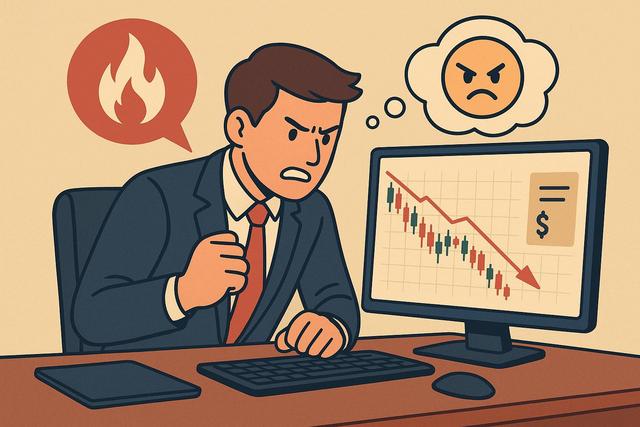
Revenge trading is a psychological pattern where traders make impulsive trades to recover losses. This impulsive behavior can lead to further financial setbacks, challenging the emotional resilience necessary in trading environments. Understanding its root causes and implementing strategic solutions is crucial for maintaining trading discipline and achieving long-term success.
The Psychology Behind Revenge Trading
Emotional Triggers in Trading
Revenge trading often stems from emotional reactions such as frustration, disappointment, or anger following a financial loss. When market movements don’t go as expected, traders may feel compelled to quickly regain their losses, believing that a fast turnaround bet will realign their accounts.
Case Studies: Battling Impulse
Consider Trader A who lost $5,000 in a significant market downturn. In a bid to recover, he invested in high-leverage trades, only to suffer an additional $10,000 loss. Such scenarios exemplify how an emotionally driven response exacerbates financial difficulties.
According to a 2020 study by the Journal of Trading, over 70% of novice traders admitted to revenge trading after a loss, underscoring its prevalence.
Understanding the Consequences
Financial Impact and Real Data
The financial repercussions of revenge trading are severe. A study by Ernst & Young indicated that traders engaging in this behavior consistently lose 20-25% more capital than those who refrain.
Long-term Trading Discipline
Revenge trading disrupts a trader’s long-term financial strategies, leading to poor decision-making and depleted trading discipline. Gradual erosion of discipline often results in increased exposure to risks and reduced resilience in subsequent trades.
Strategies to Curb Revenge Trading
Establishing Emotional Awareness
Recognizing emotional states is the first step towards curbing revenge trades. Strategies such as the use of trading journals can enhance self-awareness by documenting emotional and psychological states associated with each trade.
- Record emotional responses in a daily journal.
- Identify patterns linking emotions to losing trades.
Setting Strict Trading Protocols
Implement predefined trading protocols, such as stop-loss orders and daily maximum loss limits. These protocols help maintain discipline by providing a structure that mitigates emotional decision-making.
Developing a Comprehensive Trading Plan
Components of a Successful Plan
A successful trading plan should be comprehensive, featuring specific entry and exit strategies, risk management techniques, and long-term goals.
Case Study: Structured Planning Success
Trader B implemented a disciplined approach with a detailed trading plan post-loss. By setting clear financial targets and risk parameters, their gains gradually increased by 15% over a year despite occasional losses.
Leveraging External Resources
Utilization of Trading Tools
Advanced trading platforms like MetaTrader 4 and psychological tools such as MarketPsych offer insights that enhance decision-making by providing data-driven analytics and emotional regulation techniques.
Engaging with Professional Coaching
Engagement with professional trading coaches can be invaluable. These experts offer personalized guidance to ameliorate emotional influences on trading. The International Coaching Federation reports a 30% improvement in trade outcomes among coached traders.
Adopting a Long-term Perspective
Fostering a Growth Mindset
Adopting a long-term growth perspective helps stabilize emotional responses. This involves focusing on gradual gains and learning from losses rather than seeking immediate results.
Comparison with Short-term Strategies
| Short-term Focus | Long-term Focus |
|---|---|
| Immediate Results | Gradual Growth |
| High Emotional Volatility | Stable Emotional State |
Conclusion: Implementing Your Revenge Trade Action Plan
Addressing revenge trading requires a blend of self-awareness, strategic planning, and emotional discipline. Start by recognizing your emotional triggers and the financial impact of your impulsive decisions.
- Document your emotions and trading habits regularly.
- Establish strict financial protocols and adhere to them.
- Develop a comprehensive and structured trading plan.
- Leverage external resources including professional advisors and technology.
- Foster a long-term growth mindset to enhance emotional stability and financial success.
By understanding and implementing these strategies, traders can effectively curb the detrimental practice of revenge trading, laying the groundwork for sustainable success in forex trading.

