Crypto Leverage: The Liquidation Mechanics Explained
- 03/18/2026 07:06am
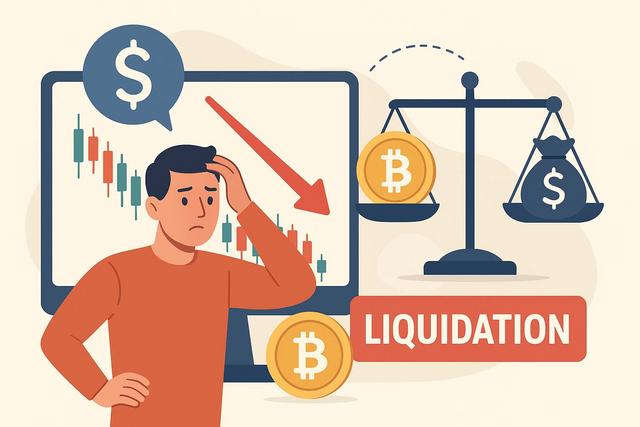
In the dynamic realm of cryptocurrency trading, leverage serves as a double-edged sword. While it empowers traders to amplify their positions beyond their immediate capital, it also introduces significant risks. Understanding how liquidation works when utilizing leverage is crucial for any trader looking to navigate these digital waters effectively. This article provides an in-depth analysis of liquidation mechanics, dissecting how leverage can rapidly deplete accounts and offering strategic insights to manage these risks.
Understanding Crypto Leverage
Leverage in cryptocurrency trading allows a trader to control a large position with a smaller amount of actual funds, effectively borrowing the remainder from the exchange.
How Leverage Works
Leverage is expressed as a ratio, such as 2:1 or 10:1, which indicates the amount of exposure you have compared to your own capital. For instance, trading with 10x leverage means that for every dollar you invest, you are controlling ten dollars worth of cryptocurrency.
Real-World Example
Consider trading Bitcoin at $30,000 with 10x leverage. If you invest $1,000, you effectively control a $10,000 position.
The Attractiveness and Risk of Leverage
Leverage can significantly increase potential profits. However, it also magnifies losses, potentially leading to liquidation if the market moves adversely against your position.
Case Study: 2021 Bitcoin Correction
During the 2021 market correction, many leveraged traders were liquidated as Bitcoin's price plummeted, highlighting the peril of high leverage.
Liquidation in Crypto Trading
Liquidation occurs when an exchange forcibly closes a trader's leveraged position due to the trader's margin falling below the maintenance margin requirement.
Liquidation Mechanics
The core of liquidation lies in maintaining margin requirements. If the price moves unfavorably, the initial margin can no longer support the position.
How Exchanges Handle Liquidation
Many exchanges close positions automatically once the margin depletes to a critical level to recover loaned amounts.
Liquidation Price Calculation
The liquidation price is crucial—it's the price at which your equity is equal to the required maintenance margin.
Example Calculation
For a position of $10,000 with an initial margin of $1,000 at 10x leverage, vital calculations are needed to determine the liquidation price precisely.
Funding Rates and Their Impact
The funding rate is a periodic payment between traders to balance the perpetual futures market's price with the underlying asset.
Mechanism of Funding Rates
When a futures contract deviates from the spot price, funding rates are employed. If the rate is positive, longs pay shorts, and vice versa.
Historical Data Insights
Historically, extreme funding rates have indicated over-leveraged positions, often preceding significant market corrections.
Managing Margin Risks
Mitigating risks associated with leverage demands strategic foresight and robust risk management.
Techniques for Mitigating Liquidation Risk
- Setting Stop-Loss Orders: Predetermined exit points to cap losses.
- Diversifying Positions: Spreading investments to minimize exposure per position.
Strategic Insights
Employ conservative leverage ratios and closely monitor funding rates to remain on the safer side of trades.
Case Studies in Leverage Mismanagement
Several traders have faced catastrophic losses due to improperly managed leverage, underscoring the importance of cautious strategy.
Mt. Gox: The Early Cautionary Tale
As an advocate of high leverage, Mt. Gox traders experienced massive liquidations when market volatility spiked.
Ripple Effects
The reverberations of such liquidations have rippled across exchanges, influencing regulatory views and trader practices.
Future Trends in Crypto Leverage
The future may hold significant changes in how leverage is offered and regulated.
Regulatory Developments
Regulatory bodies worldwide are scrutinizing leverage trading, hinting at potential restrictions to curb excessive risk-taking.
Technological Innovations
Developments in AI and algorithms might provide smarter, more resilient trading platforms capable of moderating leverage risks.
Conclusion and Takeaways
Crypto leverage serves both as a tool for opportunity and a potential pitfall for uninformed traders. By understanding liquidation mechanics, calculating liquidation prices accurately, and applying strategic risk management practices, traders can prudently utilize leverage. The keys to success include staying informed, setting strict stop-losses, monitoring funding rates, and embracing diversification.
To put theory into practice:
- Educate yourself continuously on leverage and margin trading.
- Implement risk management strategies mentioned herein.
- Review market trends and heed regulatory updates to anticipate changes affecting leverage trading.
By approaching these principles with diligence, traders can enhance their trading acuity and fortify their market positions against undue risks.

