Macro Regimes: The 4 Environments That Move Everything
- 01/28/2026 05:06am
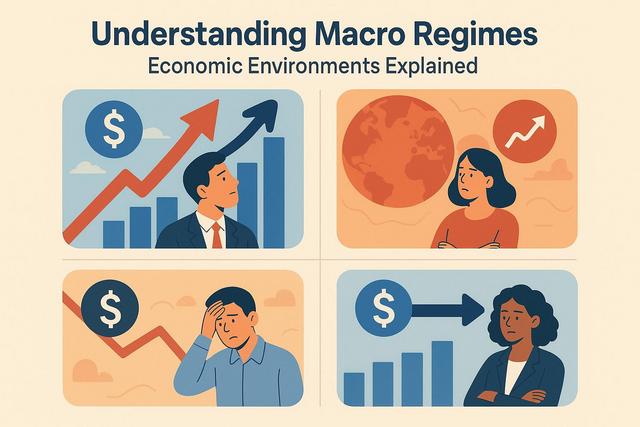
In the intricate world of macroeconomics, understanding how various macro regimes operate is pivotal for investors, policymakers, and businesses alike. Macro regimes such as growth, inflation, and liquidity play a significant role in shaping economic activities and financial markets. This detailed guide explores these regimes and offers insights on optimizing strategies for each environment.
Macro regimes refer to broad economic conditions that impact virtually every element of the financial landscape. By grasping these regimes, individuals and entities can better navigate economic cycles, enhancing decision-making efficacy.
Understanding Macro Regimes
Growth Regimes
Growth regimes are characterized by a robust increase in economic output. These periods often feature rising corporate profits, increased consumer spending, and a bullish stock market. A notable example is the post-war economic boom in the United States, where GDP growth surged and businesses flourished.
Key Indicators:
- GDP Growth Rate: A primary measure used to assess overall economic expansion (source)
- Job Creation: An upsurge in employment correlates with heightened productivity and consumer spending.
- Corporate Earnings: Earnings growth highlights companies’ expanding profit margins during growth regimes.
Inflation Regimes
When talking about inflation regimes, rising prices indicate a decrease in the purchasing power of money. These environments often see central banks adjusting monetary policies to control inflation, influencing interest rates significantly.
Indicators and Impacts:
- Consumer Price Index (CPI): A crucial index measuring inflation's impact on consumers (source).
- Policy Adjustments: Central banks may raise interest rates to curb inflation which can impact lending and borrowing.
- Investment Considerations: During inflationary times, commodities like gold often perform well.
Liquidity Regimes
Liquidity regimes refer to the availability of cash and credit in the market. High liquidity is often a boon for economic growth, enabling more investment and spending. During the 2008 financial crisis, liquidity was severely strained, highlighting its importance.
Key Measurements:
- Interest Rates: Low rates typically suggest more liquidity, encouraging borrowing and spending.
- Monetary Policy Stimuli: Quantitative easing is often implemented to inject liquidity.
- Stock Market Influences: More liquidity generally enhances stock market performance due to easier access to capital.
Recessionary Regimes
Recessionary regimes signify a shrinking economy, often defined by negative GDP growth over two consecutive quarters. These periods necessitate careful strategy adjustments as economic contraction poses various challenges.
Indicators:
- Rising Unemployment Rates: Indicative of decreasing job opportunities (source).
- Declining Consumer Confidence: Low consumer confidence can lead to reduced spending.
- Asset Re-allocation: Defensive sectors like utilities often become attractive.
Strategic Adjustments
To effectively navigate these regimes, several strategies can be employed:
Diversification:
Diversifying investments across asset classes can help mitigate risks inherent in various macro regimes.
Policy Monitoring:
Keeping a keen eye on central bank policies provides insights into potential interest rate adjustments and monetary policy changes.
Business Adaptation:
Businesses should tailor their operations and strategic plans according to the prevalent macro regime. During a recession, cost management becomes critical, while in growth periods, expansion strategies take center stage.
Conclusion: Actionable Takeaways
Grasping the dynamics of macro regimes is essential for optimizing responses to economic shifts. For investors, maintaining a diversified portfolio and staying informed about economic indicators and central bank policies can provide a hedge against uncertainty. Policymakers and business leaders should focus on aligning strategies with the current economic context to capitalize on opportunities and mitigate risks.
Staying agile and informed is the key to thriving amid the fluctuations of macro regimes.

