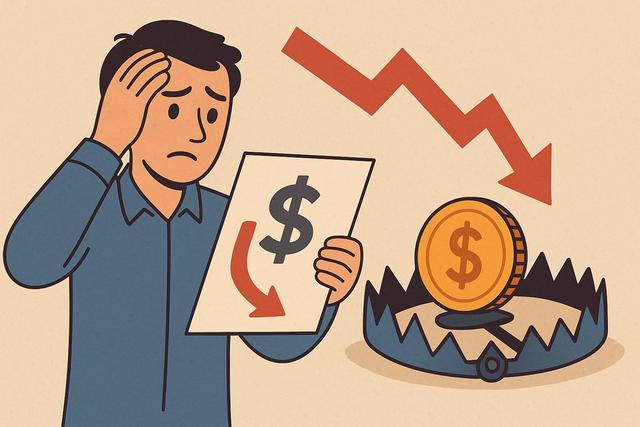
Dividend investing can be an attractive strategy for many investors seeking income generation. However, the allure of high-yield stocks can sometimes lead to investing in so-called 'dividend traps.' These are stocks that appear to offer high returns via dividends but are actually at risk of cutting their payouts. This guide aims to help you identify these traps and ensure your investments are both lucrative and secure.
Understanding Dividend Traps
Dividend traps occur when companies offer dividend yields that are unsustainable. High yields can often be a red flag indicating potential financial distress, masking declining business performance. Understanding the nature of dividend traps requires looking beyond yield percentages and considering a company's overall financial health.
What is a Dividend?
A dividend is a portion of a company's earnings distributed to shareholders. Typically paid quarterly, dividends can provide a reliable source of income. Companies with stable earnings often offer dividends as a way to attract investors.
High-Yield Attractiveness vs. Risk
High-yield stocks can be tempting as they promise substantial returns. However, the risks can outweigh the benefits if the company's fundamentals are not solid. Common risks include:
- Unsustainable Payout Ratios: Exceeding 80% may be a red flag.
- Debt Levels: High debt can pressure cash flows.
- Earnings Decline: Consistent losses can threaten future dividends.
How to Spot a Dividend Trap
Spotting a dividend trap requires a diligent examination of several financial metrics:
1. Payout Ratio Analysis
The payout ratio measures the proportion of earnings paid out as dividends. A ratio consistently above 80% can indicate potential danger of dividend cuts. Review Investopedia's guide to learn more about payout ratios.
2. Free Cash Flow
Positive free cash flow indicates a company’s ability to cover dividends. Negative cash flow, on the other hand, may suggest that a company is funding dividends through debt, a perilous practice.
3. Debt-to-Equity Ratio
Understanding a company's debt-to-equity ratio is crucial. A high ratio can indicate excessive leverage, which might jeopardize dividend payments during earnings downturns.
Case Studies of Dividend Traps
Let's explore real-world examples to understand dividend traps better:
Example 1: General Electric
General Electric once offered attractive dividends but had to cut them due to mounting debt and cash flow problems, epitomizing a classic dividend trap.
Example 2: Cutting Dividends at ConocoPhillips
ConocoPhillips faced a similar predicament as oil prices plummeted, leading to earnings reductions and a necessary dividend cut, impacting income-focused investors.
Avoiding High-Yield Traps
Create a Checklist for Payout Safety
Here’s a practical checklist to help you assess dividend safety:
- Payout Ratio: Aim for less than 60%.
- Consistent Earnings Growth: Look for positive trends over several years.
- Strong Cash Flow: Ensure free cash flow covers dividend payments.
- Low Leverage: Prefer companies with lower debt-to-equity ratios.
Utilize Financial Resources
Utilize financial tools and platforms such as Morningstar and Yahoo Finance for detailed company analysis and historical data.
Conclusion
Investors must exercise caution when chasing high-yield dividends, as they often come with hidden risks. Conducting thorough financial analysis by checking payout ratios, debt levels, and cash flows will help secure stable dividend income. By applying these insights, you can avoid dividend traps and invest in genuinely promising high-yield stocks.
Stay informed and always continue learning about the financial health of your investment prospects. With sound diligence and the abovementioned techniques, you can steer clear of dividend traps and establish a more robust investment portfolio.

