How to Use Economic Calendars for Forex Trading
- 10/01/2025 09:06am
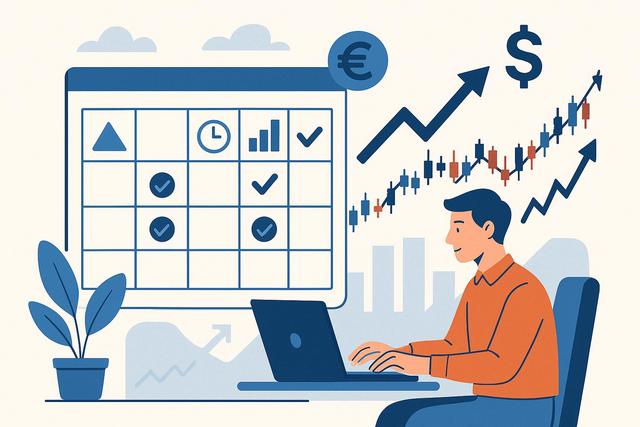
Understanding economic calendars is essential for forex traders looking to gain a competitive edge. In this guide, we will explore how these calendars can be leveraged to make more informed trading decisions in the forex market, focusing on effective strategies for 2025.
The Role of Economic Calendars in Forex Trading
Economic calendars are indispensable tools in the forex trading world. These calendars display schedule of significant economic events and data releases that could influence currency markets, such as interest rate decisions, employment reports, and GDP releases. By keeping track of these events, traders can anticipate market volatility and make informed trading decisions.
Key Features of an Economic Calendar
Timeliness and Accuracy
For making precise trades, the economic calendar you choose should update in real-time and provide data that has been verified for accuracy. Look for calendars that offer customizable alerts to ensure you never miss a critical event.
Comprehensive Event Coverage
A good economic calendar will cover a wide range of global economic events, including those from influential economies like the US, Eurozone, China, and Japan. Events related to interest rates, inflation, employment studies, and central bank meetings often have the most impact on forex markets.
Using Economic Calendars for Strategic Forex Trading
Anticipating Market Volatility
High-impact events often lead to heightened market volatility. Experienced traders use this timing to plan their trades strategically, entering or exiting positions just before an event occurs, based on anticipated outcomes. Websites like Forex Factory and Investing.com offer reliable economic calendars.
Developing Long-Term Strategies
In 2025, the landscape of forex trading will be influenced by ongoing economic policies, geopolitical shifts, and technological developments. Reviewing economic calendar data over the long term helps traders identify trends and formulate robust trading strategies that consider both individual data releases and broader macroeconomic trends.
Utilizing Data for Predictive Analysis
Predictive modeling involves assessing the potential impact of economic events on currency pairs. By using historical data, traders can create models to forecast future movements. This method requires a deep understanding of economic indicators and their interactions.
Case Studies
The Impact of Interest Rate Decisions
Interest rate decisions by central banks are among the most significant drivers of forex markets. For example, if the Federal Reserve announces a surprise interest rate hike, the USD is likely to appreciate due to an expected increase in foreign investments in the US. Analyzing past interest rate decisions using an economic calendar can help forecast future currency moves.
Brexit and the GBP
The Brexit negotiations offer another example of how political events affect currency movements. Traders who monitored the economic calendar for key Brexit announcement dates were able to predict fluctuations in the GBP/USD pair.
Practical Steps for Beginners
- Choose a Reliable Economic Calendar: Opt for platforms with a proven track record of accuracy and comprehensiveness.
- Set Alerts for High-Impact Events: Use platforms that allow customization so that you are immediately notified of crucial economic releases.
- Practice Trading Timing: Use demo accounts to practice entering and exiting trades in response to calendar events without actual financial risk.
Conclusion: Maximizing Forex Trading Success in 2025
To excel in forex trading in 2025, mastering the use of economic calendars is crucial. By understanding how to interpret and respond to different economic events, traders can improve their strategies and enhance profitability. The actionable steps provided here are designed to help traders leverage economic calendars effectively to navigate the forex markets with confidence. Successful trading requires not only reacting to data but also anticipating future trends, a skill honed through diligent study and application of economic calendar insights.
For continued learning, consider following authoritative financial news sites like Bloomberg and Reuters to complement your economic calendar analysis.

