The Role of AI in Trading: Opportunities and Risks
- 05/23/2025 09:05am
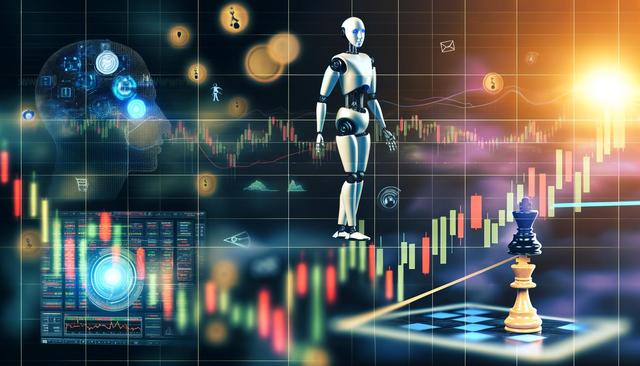
Artificial Intelligence (AI) has rapidly gained traction in various industries, and the field of trading is no exception. As AI continues to evolve, traders and investors are faced with new opportunities and challenges. This article aims to explore the transformative impact of AI on trading, highlighting both the potential benefits and the associated risks that market participants need to consider.
Understanding AI in Trading
Artificial Intelligence in trading primarily involves the use of algorithms and machine learning models to analyze data, identify patterns, and execute trades autonomously. Algorithms can process vast amounts of information, far beyond the capacity of human traders, and do so at unprecedented speeds.
Key Benefits of AI in Trading
Data-Driven Decisions: AI systems leverage immense datasets to provide traders with insights that are data-driven. This reduces reliance on intuition or guesswork.
Speed and Efficiency: Trading decisions can be executed in milliseconds, which is crucial in high-frequency trading where time literally translates to money.
24/7 Market Monitoring: Unlike human traders, AI systems can monitor markets continuously without fatigue. This constant vigilance means capturing opportunities around the clock.
Pattern Recognition: Advanced machine learning models can detect market patterns that are not immediately apparent to the human eye, offering a competitive edge.
Risks and Challenges Associated with AI Trading
While AI offers numerous advantages, there are inherent risks that traders must be mindful of.
Algorithmic Bias: AI systems learn from historical data, which can often be biased. Thus, the decisions they make can also be inherently biased leading to suboptimal outcomes.
Over-Reliance on Automated Systems: Trusting AI systems entirely without human oversight can be dangerous, especially if the models encounter unforeseen scenarios or market anomalies.
Security Concerns: As AI tools become prevalent, they become lucrative targets for cyber threats. Ensuring the security of trading platforms and AI systems is paramount.
Market Unpredictability: AI systems may struggle to adapt to market changes that deviate from historical patterns, leading to potentially significant financial losses.
Real-World Applications and Case Studies
High-Frequency Trading (HFT)
Companies such as Virtu Financial are utilizing AI for HFT strategies, where trades are executed at fractions of a second. AI’s ability to process data at remarkable speeds significantly enhances the efficiency of HFT.
Sentiment Analysis
AI is also used in sentiment analysis to gauge public sentiment from social media and news outlets. Tools like BuzzSumo help traders understand the psychosocial trends affecting market movements.
The Regulatory Landscape
Regulatory bodies are increasingly scrutinizing the use of AI in trading. There is a growing demand for transparency in algorithmic trading models. Traders must stay informed about evolving regulations from authorities like The U.S. Securities and Exchange Commission (SEC) and similar international bodies.
Conclusion: Navigating the Future of AI in Trading
AI undoubtedly offers powerful tools for enhancing trading strategies. However, the risks and challenges associated with its use necessitate a balanced approach. Traders should not fully disengage from the trading process and instead use AI to augment human intuition and decision-making. As AI continues to permeate the trading world, being aware of its opportunities and vigilant of its pitfalls will be crucial for sustainable success.
Actionable Takeaways
- Utilize AI for data-driven insights while monitoring its decisions carefully.
- Ensure robust cybersecurity measures are in place to protect trading infrastructure.
- Stay abreast of regulatory changes and ensure compliance.
- Foster a symbiotic relationship between human and artificial intelligence to exploit both intuitive and analytical strengths.

