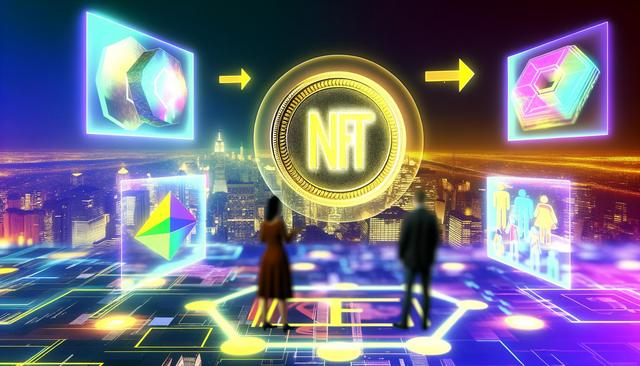
Non-Fungible Tokens (NFTs) have rapidly ascended from niche tech curiosities to central assets in the digital economy. As unique digital identifiers on the blockchain, NFTs are reshaping the concept of ownership and investment in the cryptocurrency landscape. This article explores how NFTs will influence future cryptocurrency trends and investments, backed by data, case studies, and expert insights.
Understanding NFTs and Cryptocurrency
NFTs, or Non-Fungible Tokens, represent ownership of a specific digital item or piece of content, secured on a blockchain. Unlike cryptocurrencies like Bitcoin or Ethereum, which are fungible and identical to each other, NFTs are unique and not interchangeable. They have opened new avenues for digital ownership and trading.
NFTs: A Unique Digital Asset Class
NFTs have gained popularity for their application across industries such as art, music, gaming, and real estate. Their value lies in their uniqueness and their ownership record on the blockchain. This ensures authenticity and rarity, crucial elements that drive value.
Example: The sale of Beeple's digital artwork for $69 million in March 2021 through Christie's auction generated significant attention, emphasizing the potential value that NFTs can hold.
How NFTs Are Shaping the Crypto Market
NFTs have brought several changes to the cryptocurrency market, influencing both individual and institutional investors.
Creating New Investment Opportunities
NFTs allow for fractional ownership, offering investors opportunities to invest in expensive assets by owning fractions of NFT-owned items. This democratizes access to high-value digital assets.
Enhancing Blockchain Utility
NFTs utilize smart contracts to define the terms of ownership and transfer. This increases the utility of blockchain networks, driving further technological developments and adoption.
Case Studies: NFTs in Action
1. Sports Memorabilia
Platforms like NBA Top Shot have used NFTs to tokenize memorable sports moments. This has created a new marketplace where collectors can trade digital sports highlights securely on the blockchain.
2. Virtual Real Estate
In platforms such as Decentraland, users can buy, sell, and manage virtual real estate. These properties can be developed, traded, and leased, mirroring real-world transactions but powered by NFTs.
Future Trends of NFTs in Cryptocurrency
Integration with DeFi
Decentralized Finance (DeFi) and NFTs could merge, providing liquidity to illiquid NFT assets through lending and borrowing. This blends the uniqueness of NFTs with the financial structures in DeFi.
NFTs and Gaming
NFTs are poised to revolutionize the gaming industry by enabling true ownership of in-game assets. They allow players to trade items across different games, ensuring economic value outside of isolated ecosystem economies.
Actionable Insights for Investors
Diversify Investments: Consider adding NFTs to a diversified cryptocurrency portfolio to enhance potential returns while managing risk.
Research and Due Diligence: Always research the underlying asset tied to NFTs and understand the market dynamics before investing.
Stay Informed: Follow credible sources like CoinDesk for the latest news and trends in the NFT market.
Conclusion
NFTs have the potential to redefine the landscape of digital ownership and cryptocurrency investment. Their ability to integrate with traditional financial systems while offering new digital frontiers is transforming industries worldwide. As blockchain technology evolves, NFTs will likely play a pivotal role in both financial markets and culture.
For investors and enthusiasts, staying informed and being prepared to adapt to this dynamic space will be crucial for capitalizing on emerging opportunities.
Authoritative References:

